The time to move towards a more climate-resilient future is now, as the signs of global warming are evident in every area of the Planet. Glaciers melting, the rise of global sea levels, higher risks for desertification, and decrease in agricultural productivity are only some of the most visible consequences of prolonged and unsustainable growth. Italy, for example, is the second EU country to be affected the most by hydrogeologic catastrophes, extreme weather phenomena, droughts, and forest fires, with economic losses estimated at 65 billion Euros. To reshape the cities of tomorrow, which are responsible alone of 70% of the global anthropogenic greenhouse gas (GHG) emissions, and to feed a growing population, we need to rethink the current patterns of growth starting from a regeneration of the agri-food systems. The agricultural sector needs to increase its resilience and adaptive capacity to climate-related hazards while developing carbon-neutral solutions. We can restore and regenerate ecosystem services through food production and consumption for the sake of our Planet but also for the human survival itself. If not us, who?
SUSTAINABLE DEVELOPMENT GOALS INVOLVED
Despite covering only 2% of the terrestrial surface, urban areas are projected to attract70% of the world population by 2050. This would inevitably change the demand for food, increase pressure on land and other resources, and provide periurban agriculture systems a leading role in the cities of the future.
How to implement mitigation and adaptation strategies to climate change, respecting ecosystems, and biodiversity, through the agro-food systems?
It is pivotal to manage efficiently and responsibly water resources. If, on the one hand, encouraging both producers and consumers to save water is necessary, on the other hand also the water footprint of food and the way we dispose of toxic waste and pollutants should be given specific attention.
How to foster a clean energy security among countries, without compromising ecosystems and biodiversity?
The agricultural sector is both a major responsible and a major victim of climate change. On the one hand, food production alone generates more than half of the world’s GHG emissions. On the other hand, extreme climate-related events compromiseland productivity, soil quality, water availability, food production.
How can we regenerate the Earth using ecosystem service, biodiversity, and clean energy?
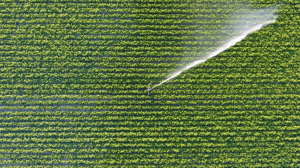
Seventy percent of the global freshwater is extracted and used for agricultural purposes. In addition, this sector and especially industrial agriculture, discharge large quantities offertilizers, pesticides, and other chemicals into water bodies. This inevitably affects the health and wellbeing of aquatic ecosystems.
Agriculture remains the main responsible for global deforestation. On the contrary sustainable or regenerative agri-food systems can reduce biodiversity degradation, while 30% of arable land can be saved by simply reducing food loss and waste.

Innovation is a collaborative effort, therefore regenerating the whole agri-food system cannot be achieved without conscious and collective collaborations among private and public sectors but also coherent steps in this direction among states.