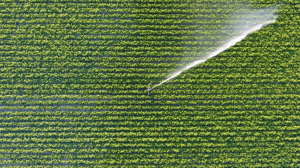
Far beyond the economic loss, losing and wasting food represents an unnecessary cost for our Planet to bear. We sometimes forget that food production is largely dependant on natural resources: on average, agriculture uses 70% of the global water available and 50% of all habitable land. However, 40% of food is lost before reaching consumers due to inadequate infrastructures; one in three pieces of fruit and vegetable are rejected before even reaching supermarkets due to esthetic reasons, while we waste one-third of the food produced globally. These are numbers that exacerbate the position of the agri-food system, which is one of the principal responsible for Planet degradation and overexploitation.
Developing a circular mindset not only involves recycling, reuse, remanufacturing, and refurbishment but also means minimising the use of resource inputs and improve food inefficiencies, which are significant causes of food loss and waste. Because before becoming waste, food is a vital element for human survival.
SUSTAINABLE DEVELOPMENT GOALS INVOLVED
How to implement mitigation and adaptation strategies to climate change, respecting ecosystems, and biodiversity, through the agro-food systems?
It is pivotal to manage efficiently and responsibly water resources. If, on the one hand, encouraging both producers and consumers to save water is necessary, on the other hand also the water footprint of food and the way we dispose of toxic waste and pollutants should be given specific attention.
How can we engage all the stakeholders in the supply chain?
Investing in reducing food loss and waste has costs for businesses but also generates much higher returns than the initial investments. Reducing the current amount of food wasted globally, that correspond to an average of 1.3 billion tons per year, may generate attractive economic opportunities as well as reducing much of the pressure that the production of food cause on the Planet, in terms ofwater, land and GHG emissions.
Innovation is a collaborative effort, therefore regenerating the whole agri-food system cannot be achieved without conscious and collective collaborations among private and public sectors but also coherent steps in this direction among states.