The “Blue Gold” is an essential resource for all forms of life and the entire ecosystem on Earth. Let us consider that only 2.5% of the water on Earth is fresh, and only 0.1% of it is accessible to humans for use. Of this percentage, about 70% of the water consumed on Earth is used in agriculture, 20% for industry, and 10% for domestic use.
In 2010 the UN officially recognized access to safe drinking water as a universal human right, as well as including water among the SDGs. However, it is still a resource with environmental, social, and economic value that is yet to be fully protected and valued, and there still are many problems in terms of safety and security to be solved.
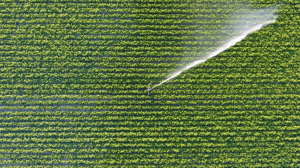
This has given rise to our desire to take action and raise greater awareness of more conscious use of this precious resource on the consumer side. We additionally are implementing projects with farmers that make production methods increasingly climate-smart and more water-efficient. In terms of agriculture, we know that with smart farming, we could reduce up to 95% of water use and increase productivity by 30%. We do this because water, as we well know, is not unlimited. We need to change today the habits of industry and our consumers if we want to avoid tomorrow’s global emergencies.
SUSTAINABLE DEVELOPMENT GOALS INVOLVED
How to improve the water safety and security?
Water safety and water security directly impact food security, in terms of quality of nourishment and conscious diet choices, especially for low-income families across the world
How to save water?
It is pivotal to manage efficiently and responsibly water resources. If, on the one hand, encouraging both producers and consumers to save water is necessary, on the other hand also the water footprint of food and the way we dispose of toxic waste and pollutants should be given specific attention.
How to reduce water waste?
Multi-stakeholders partnerships are pivotal for water management and for education on the issue.